

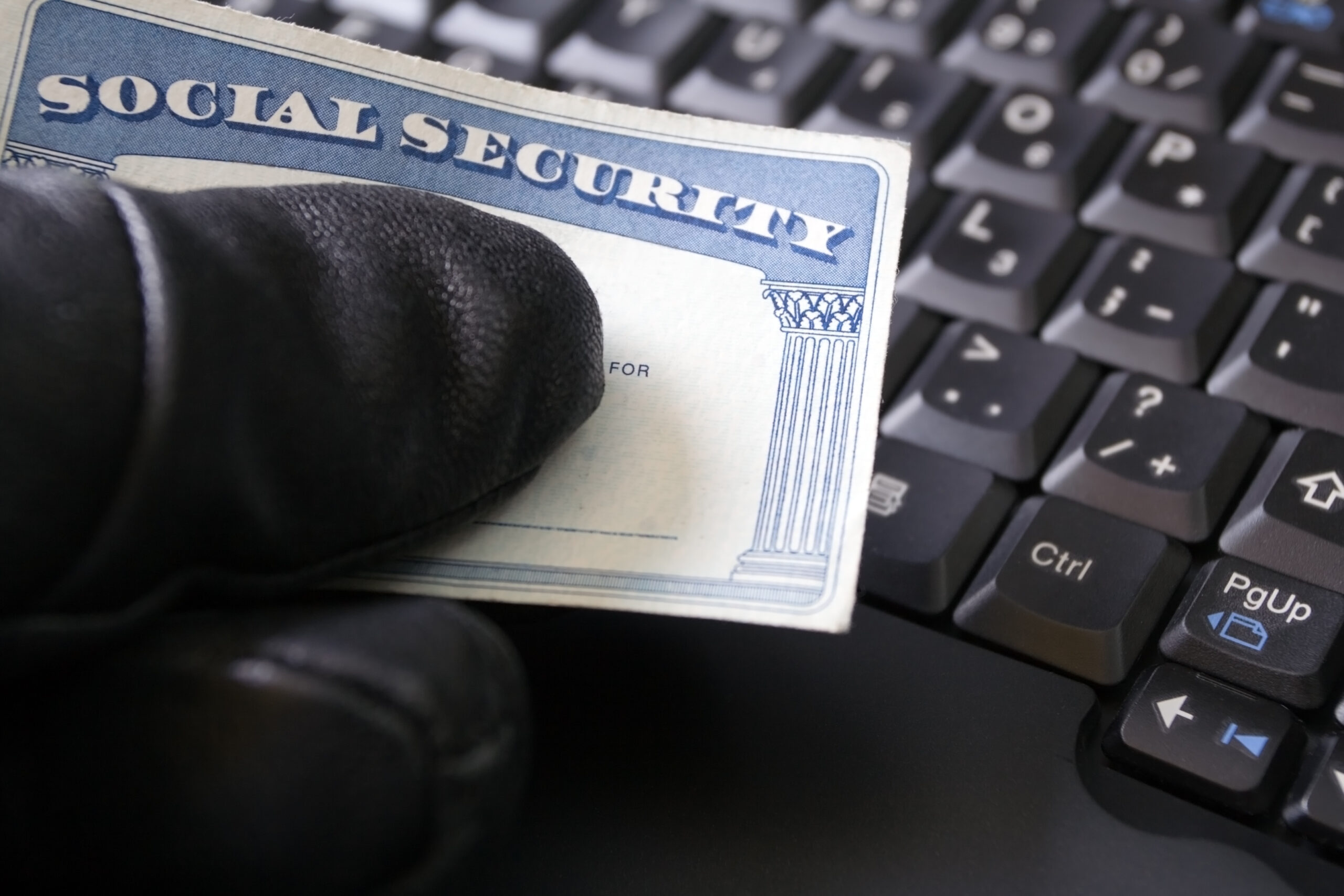
Identity Theft Awareness Week (January 26–30) is here, and SRFFCU is committed to helping you stay secure with proactive tips, timely alerts, and premium content including an exclusive podcast episode designed to strengthen your identity protection toolkit.
Why This Week Matters
Fraud Is Rising
Scams continue to surge nationwide. In 2024, U.S. consumers reported $12.5 billion in fraud losses, a 25% increase from the previous year.
Identity Theft Is Affecting Millions
Fraudulent credit applications, medical identity theft, and tax‑related scams are all on the rise, impacting individuals and families across the country.
How Identity Theft Happens
- Phishing & Vishing: Fake emails, texts, or calls posing as trusted organizations
- Data Breaches & Malware: Compromised systems or infected devices exposing sensitive data
- Stolen or Mailed Documents: Intercepted mail or improperly discarded paperwork
- SIM Swapping & Social Engineering: Hijacked phone numbers or manipulation to obtain personal information
Your Identity Protection Checklist
1. Monitor Your Accounts Regularly
- Review account statements and credit reports for unfamiliar activity
- Enable instant alerts in SRFFCU Online Banking to catch suspicious transactions early
2. Strengthen Your Passwords & Enable MFA
- Use unique, complex passwords or passphrases; consider a password manager
- Turn on multi‑factor authentication (MFA) to block unauthorized access
3. Stay Scam‑Savvy
- Be cautious of unexpected calls, texts, or emails requesting personal information
- Watch for red flags such as generic greetings, spelling errors, urgent demands, or suspicious links
4. Secure Your Devices & Connections
- Keep software, antivirus tools, and operating systems up to date
- Use secure Wi‑Fi and a VPN when accessing financial information on public networks
5. Shred Sensitive Documents
- Shred statements, offers, or any mail containing personal data before discarding
- Remember: dumpster diving still happens, and thieves look for easy opportunities
6. Freeze or Alert Your Credit
- Place a credit freeze or fraud alert with Equifax, Experian, and TransUnion
- It’s free and prevents new accounts from being opened in your name
If You Suspect Fraud
- Contact SRFFCU immediately to secure your accounts
- File an Identity Theft Report at IdentityTheft.gov for a personalized recovery plan
- Place credit freezes or fraud alerts with the credit bureaus to prevent new account openings
Featured Podcast: Understanding Credit Union Compliance
As part of our financial security series, this 30‑minute episode takes you behind the scenes with our BSA Officer to explain what credit union compliance really means, and how it helps protect you from identity theft and fraud. From ID verification to monitoring suspicious activity, the conversation highlights the safeguards that keep your information secure.
What You’ll Learn
- How compliance teams detect unusual activity and prevent fraud
- How victims often discover identity breaches months after they occur
- The emotional and logistical challenges of recovering from identity theft
- Practical prevention tips, including stronger passwords and monitoring strategies
- How Self Reliance FCU supports members during fraud‑related events
Why It Matters
Compliance is one of the strongest defenses against identity theft. This episode breaks down the federal rules all financial institutions must follow and explains how those protections work for you every day.
 Watch: Understanding Credit Union Compliance SRFFCU Talks: Hromada Listens on YouTube
What Steps Can You Take to Avoid Identity Theft?
Here are the most effective habits experts recommend reducing your risk:
- Limit what you carry: Keep only essential cards in your wallet.
- Protect your Social Security number: Never share it unless absolutely necessary.
- Use secure websites: Look for “https” and avoid entering personal information on unfamiliar sites.
- Review your credit reports annually: You’re entitled to a free report from each bureau every year.
- Be cautious on social media: Avoid posting your birthday, address, or other personal details.
- Sign up for eStatements: Reduce the amount of sensitive mail delivered to your home.
- Use strong privacy settings: Especially on email, banking apps, and cloud storage.
These steps, combined with the checklist above, create a strong defense against identity theft.
Stay Secure. Stay Self Reliant.
With awareness, proactive habits, and the full support of Self Reliance FCU, you can stay ahead of identity theft, not just this week, but all year long.